Many insects found on individual trees or in community forests cause mostly cosmetic damage. Though some can be indicators of a stressed tree and declining health. Understanding these insects and their life cycles along with the damage they can cause is important in maintaining tree health.
-
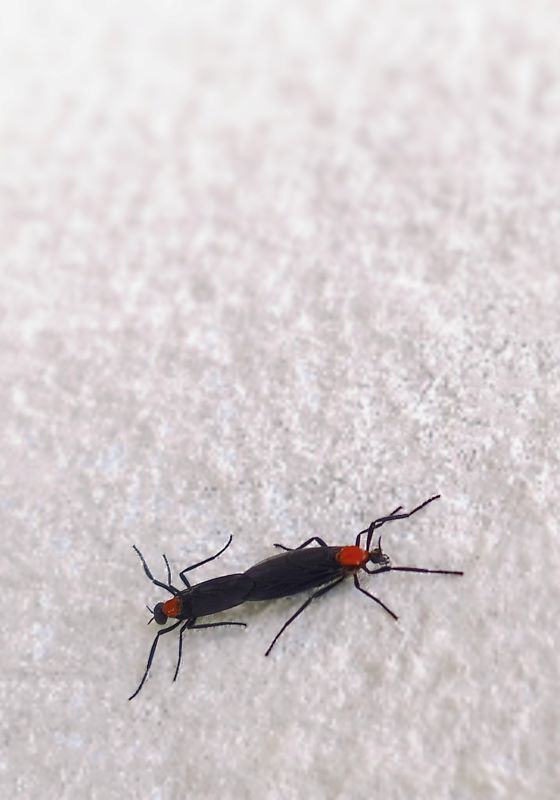
Lovebugs, also known as honeymoon flies, are named for their habit of mating while in flight.
-
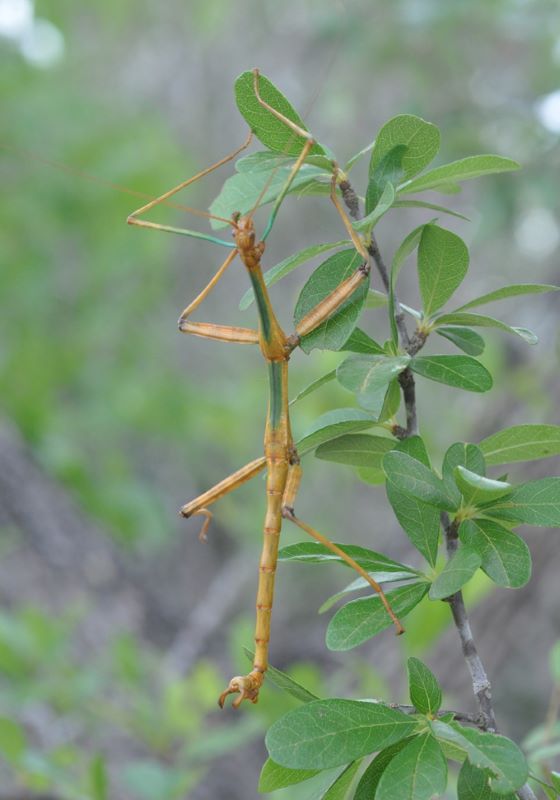
Walkingsticks are unusual and striking insects that mimic sticks and twigs to camouflage themselves from predators.
-
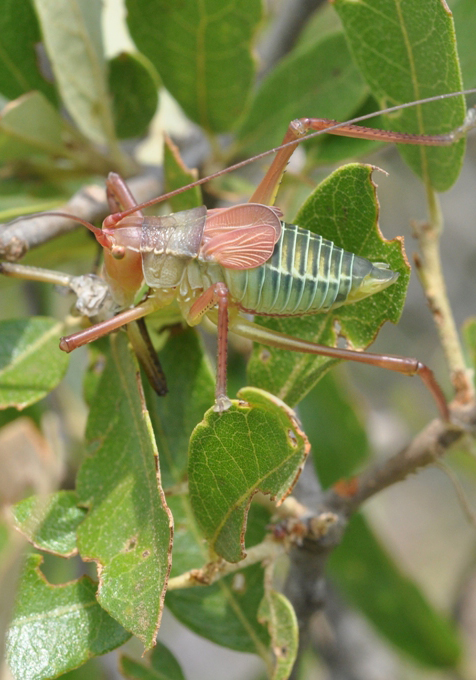
Katydids are members of the order Orthoptera, which includes the grasshoppers, crickets, and other species of katydids.
-
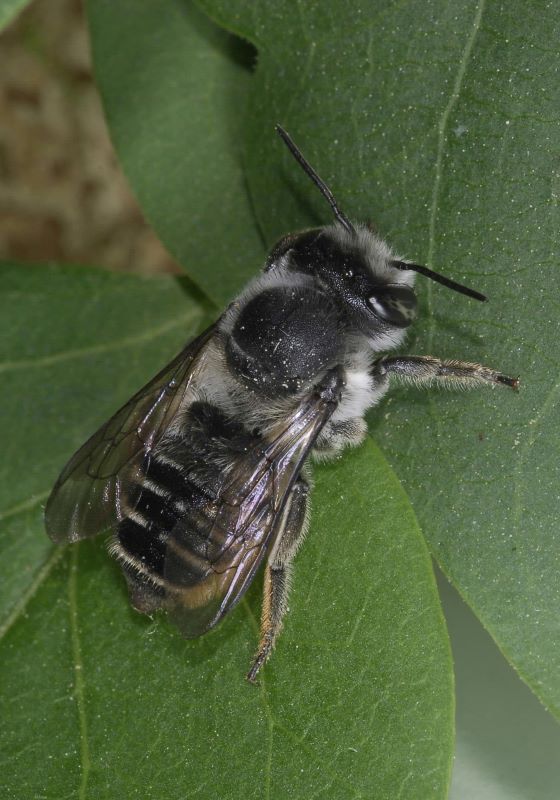
If you have noticed small, neatly cut, circular pieces of flower or leaf tissue missing from your ornamental plants, they have been visited by a leaf-cutting bee.
-
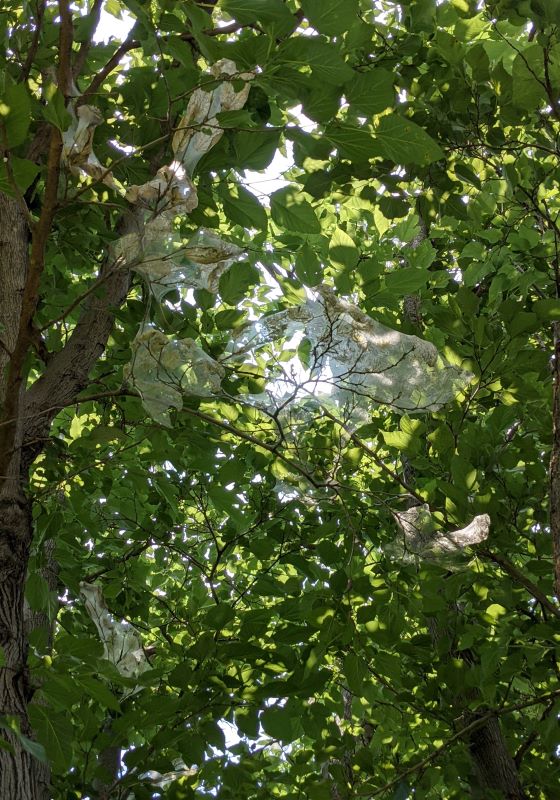
The fall webworm is a common pest of shade and ornamental trees in Texas. They cover leaves, branches, and trees in a silken web.
-
Each fall these beetles neatly girdle tree branches about the diameter of a pencil.

-
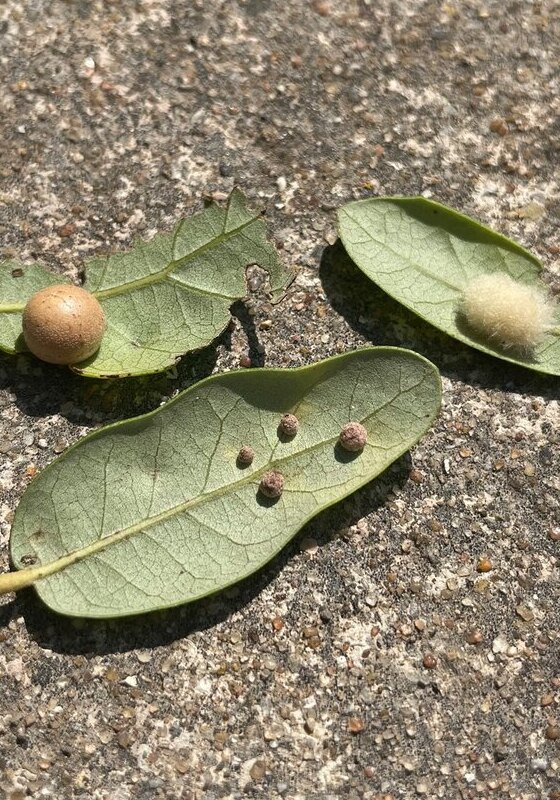
Galls are growths that occur on leaves, twigs, and roots of trees. They can vary in shape, size, and texture.
-
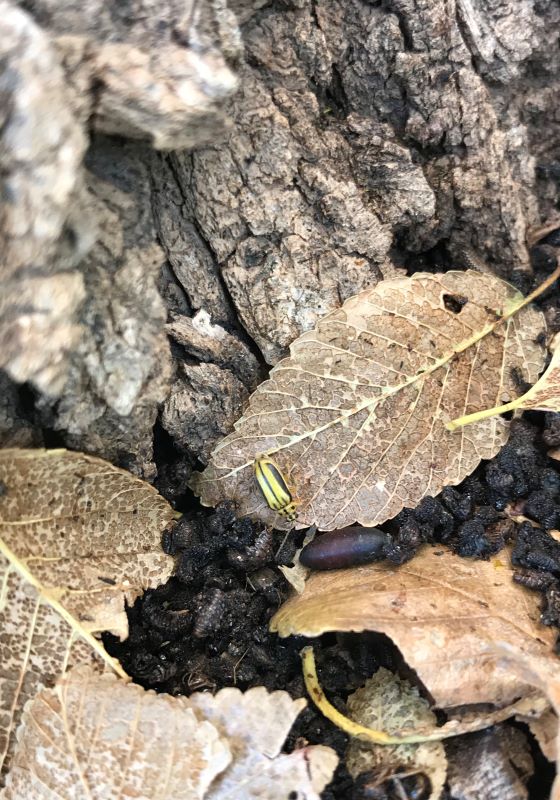
Elm leaf beetles defoliate all species of elm and are found wherever elms grow in Texas.
-
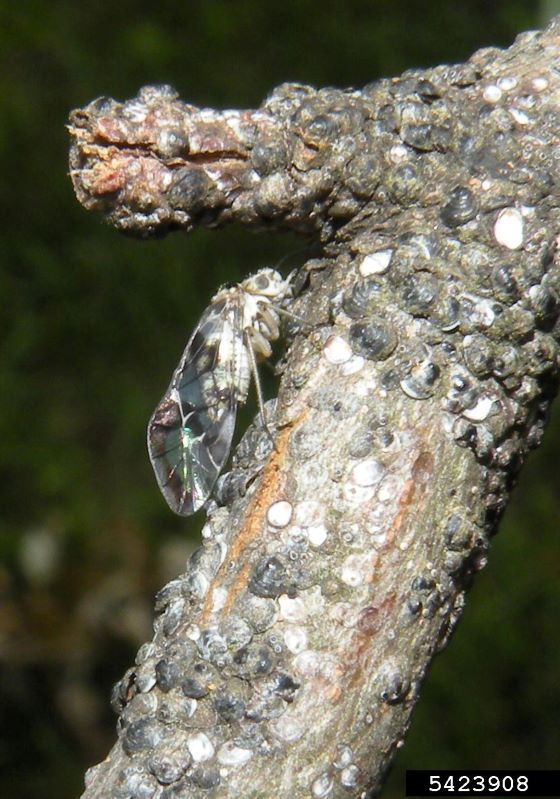
Bark lice are small, soft-bodied insects with long antennae. They make silken webs on the bark of tree trunks and limbs.
-
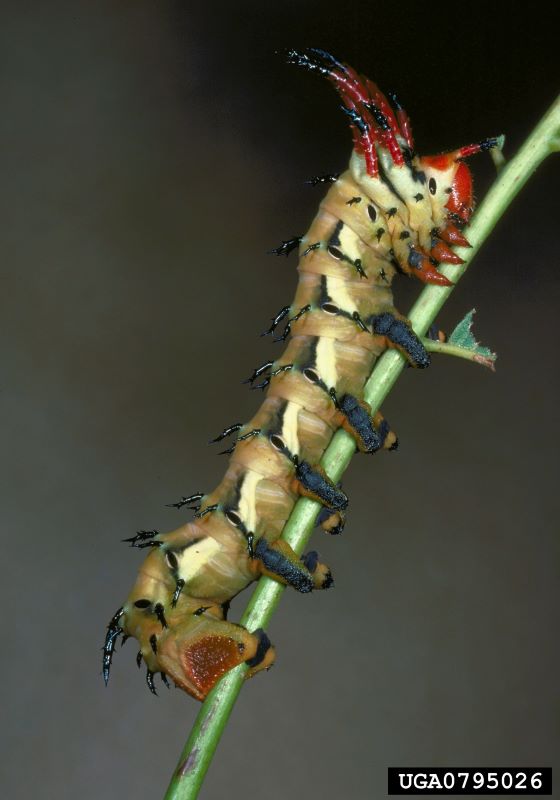
The largest caterpillar in East Texas is the hickory horned devil, named after it’s looks; like a small dragon.
-
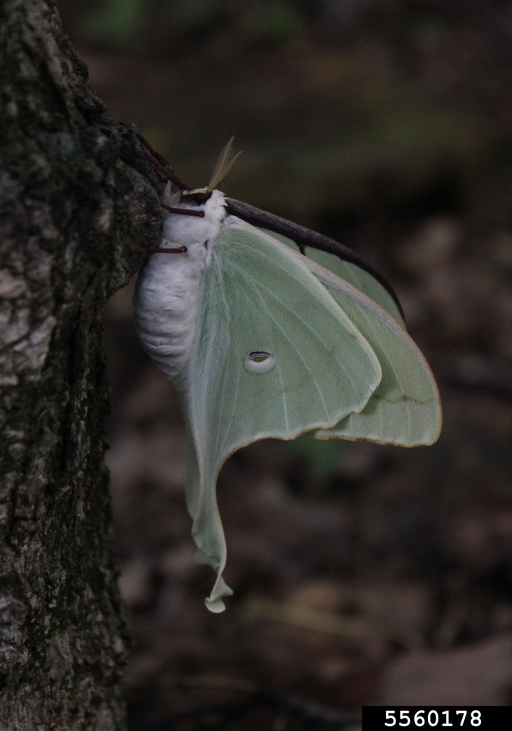
Luna moth is one of the most beautiful silk moths found in North America.
-
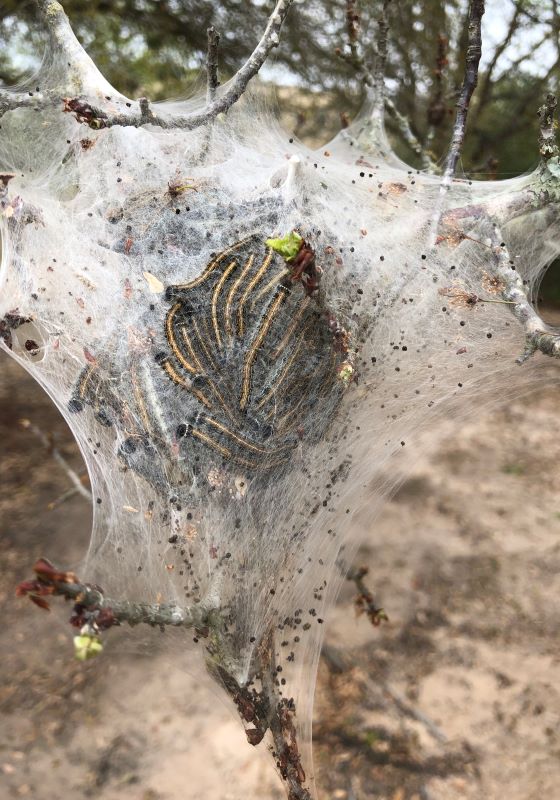
Not a significant forest pest in Texas, although it appears annually and occasionally in large numbers.
-
Forest tent caterpillars are common springtime pests that feed on the leaves of many hardwood tree species across Texas.

-
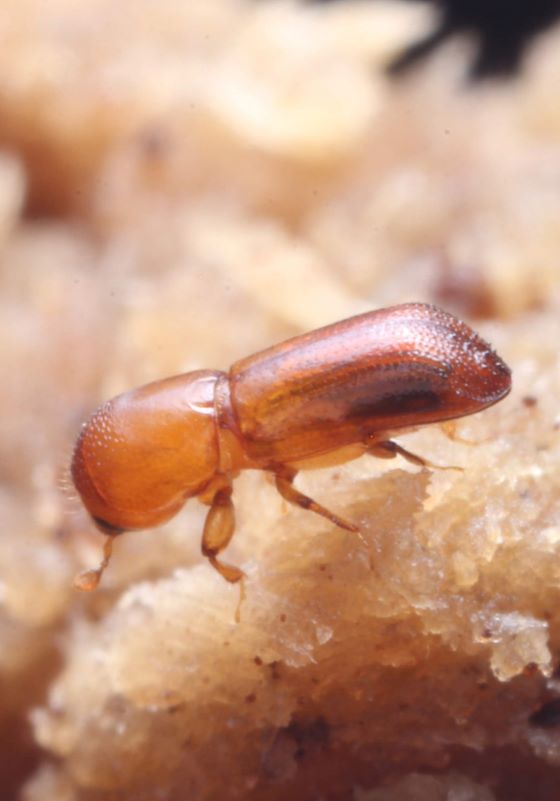
While most of these beetles are native and target dead or dying trees, some invasive species, can cause severe damage to trees.
-
Pine tortoise scale is a distinctive scale insect commonly found on the branches and stems of pine trees.

-
Small pitch tubes on the bark and needles that change from green to yellow and reddish-brown are common signs of southwestern pine beetle activity.
